Educational videos have become one of the most effective tools for modern learning. Schools, universities, corporate training teams, and online education platforms all rely on video to explain concepts, train learners, and deliver information at scale. As this reliance grows, organizations face a crucial decision: should they use simple, screen-recorded videos or invest in professional educational video production?
For institutions considering Educational Video Production in Massachusetts, this choice directly impacts learner engagement, understanding, and overall learning success. While both formats aim to educate, the way learners experience and respond to them differ significantly.
This blog clearly explains the difference between professional educational video production and screen-recorded content, and answers one key question: what truly engages learners more?
Screen-Recorded Content: How It Educates Learners
Screen-recorded content usually involves recording a computer screen while an instructor explains slides, documents, or software. This format is widely used because it is fast to create and requires minimal equipment or planning.
From a learner’s perspective, screen-recorded videos often feel basic and repetitive. Visuals remain static for long periods, usually limited to slides or a single screen view. While the information may be accurate, the experience itself is mostly passive. Learners must rely heavily on self-discipline to stay focused, especially during longer sessions.
Screen recording can be useful for short tutorials, internal training, or content that changes frequently. However, when lessons become longer or more complex, this format often struggles to maintain attention and clarity.
Professional Educational Video Production: How It Educates Learners
Professional educational video production is built around how people learn best. When working with an Educational Video Production Company in Massachusetts, the process begins with planning—defining learning goals, structuring content, and deciding how visuals will support understanding.
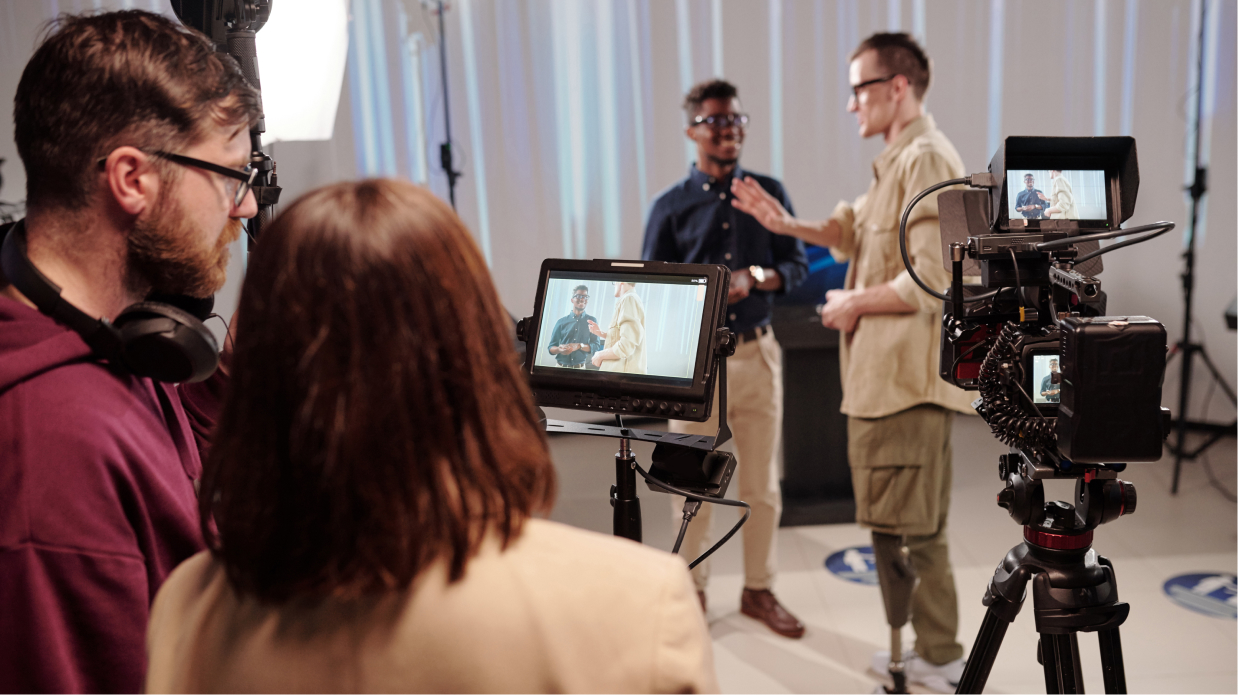
Instead of relying only on slides, professional videos often include instructors on camera, demonstrations, animations, and real-world examples. These elements help break down complex ideas and make lessons easier to follow. Clear audio, proper lighting, and thoughtful editing further improve the learning experience.
Organizations that use Educational Video Production Services in Boston often do so because they want educational content that feels polished, credible, and engaging rather than rushed or informal.
Difference in Learner Engagement
The most noticeable difference between screen-recorded content and professional educational video production is learner engagement.
Screen-recorded videos offer very limited visual variation. As a result, learners can lose focus quickly, especially when videos are long. It is common for learners to pause, skip sections, or stop watching altogether.
Professional educational videos are designed to actively maintain attention. Camera changes, visual cues, clear pacing, and structured storytelling guide learners through the lesson. Instead of passively watching, learners feel more involved in the learning process.
This is why many institutions choose to work with an Educational Video Production Company in Burlington when engagement and completion rates matter.
Difference in Understanding and Retention
Screen-recorded content often presents large amounts of information at once. Slides combined with narration can overwhelm learners, making it harder to process and remember key points.
Professional educational video production focuses on clarity. Information is delivered in smaller, well-structured segments, supported by visuals that reinforce the message. This approach helps learners understand concepts more quickly and retain information for longer periods.
When the goal is meaningful learning rather than simple information delivery, professionally produced videos perform significantly better.
Difference in Quality and Trust
Learners naturally judge educational content by its presentation quality. Screen-recorded videos may include poor audio, inconsistent visuals, or unstructured delivery, which can reduce credibility—even if the content itself is accurate.
Professional educational videos reflect preparation and expertise. Clean visuals, clear sound, and thoughtful editing create a strong sense of trust. This is particularly important for public-facing education, certification programs, and paid courses.
For this reason, many organizations choose to hire a Videographer in Massachusetts to ensure their educational content meets professional standards.
Difference in Long-Term Value
Screen-recorded content is usually created for short-term use. When updates are needed, the entire video often has to be re-recorded, which can become inefficient over time.
Professional educational videos are typically designed for long-term use. They can be reused across learning platforms, repurposed for marketing or onboarding, and updated strategically. While the upfront investment is higher, the long-term value is often much greater.
Which Option Engages Learners More?
Screen-recorded content focuses on speed and convenience.
Professional educational video production focuses on engagement, clarity, and effectiveness.
For organizations serious about education and training, professional educational videos consistently deliver better results. Partnering with an experienced Educational Video Production Company in Massachusetts helps transform basic information into engaging, easy-to-understand learning experiences.
Conclusion: Why Professional Educational Video Production Outperforms Screen Recording
When comparing screen-recorded content with professionally produced educational videos, the differences go far beyond production style—they directly affect how learners engage, understand, and retain information. Screen recordings are quick, simple, and cost-effective, but they often struggle to hold attention, communicate complex concepts effectively, or create a sense of credibility. Learners may quickly lose focus, skip important sections, or fail to retain key knowledge.
Professional educational video production, on the other hand, is designed with learning outcomes in mind. High-quality visuals, animations, instructor presence, structured pacing, and strategic editing all work together to keep learners engaged. Concepts are broken down clearly, visual cues reinforce spoken content, and the overall experience feels polished and trustworthy. These videos not only educate but also inspire learners to complete the content and apply what they’ve learned.
By partnering with an experienced Educational Video Production Company in Massachusetts or Burlington, organizations can ensure that their educational content is more than just informational—it becomes memorable, engaging, and effective. Investing in professional video production translates to higher completion rates, a stronger understanding, and long-term value for both learners and institutions.
For educators, training managers, and organizations ready to elevate their learning content, professional video production is the clear choice. If your goal is to create content that truly resonates with learners, builds credibility, and delivers measurable results, it’s time to take the next step.
Partner with McElroy Films today to bring your educational vision to life with high-quality, engaging, and impactful videos that make learning meaningful.